Sustainable Urban Planning: A Pathway to a Greener and More Livable Future
In the pursuit of creating a better world, urban planning plays a crucial role in shaping the future of our cities. With the global population constantly increasing, it's essential to build modern, sustainable cities that cater to the needs of all inhabitants. In this article, we will delve into the concept of sustainable urban planning, exploring its significance, benefits, and innovative strategies for creating resilient, equitable, and sustainable urban environments.
What is Sustainable Urban Planning?
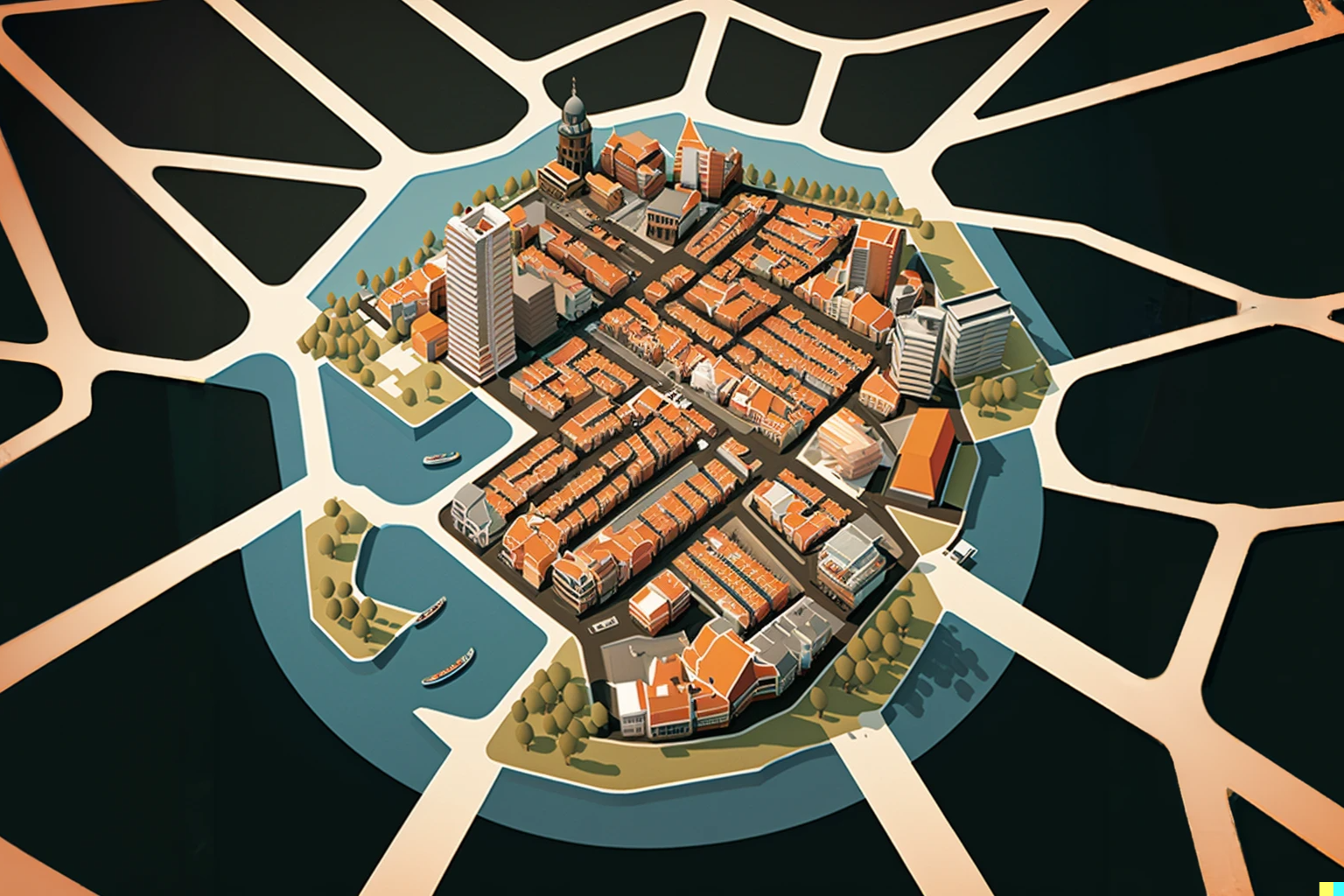
Sustainable urban planning is a development strategy that prioritizes environmental, social, and economic sustainability in the design and management of cities. It involves creating livable, self-sustaining communities that promote social justice, economic feasibility, and environmental care. The goal of sustainable urban planning is to ensure that cities remain resilient, prosperous, and environmentally conscious for future generations.
Key Principles of Sustainable Urban Planning
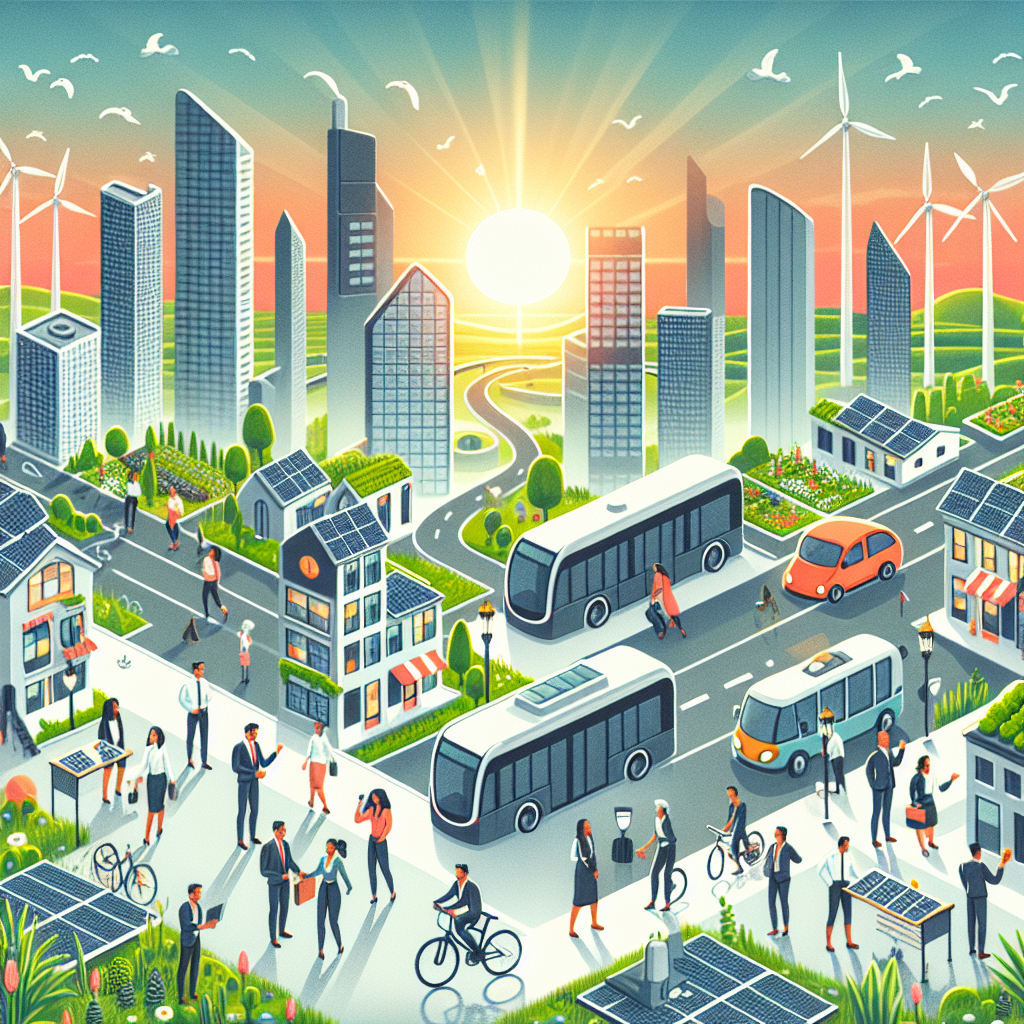
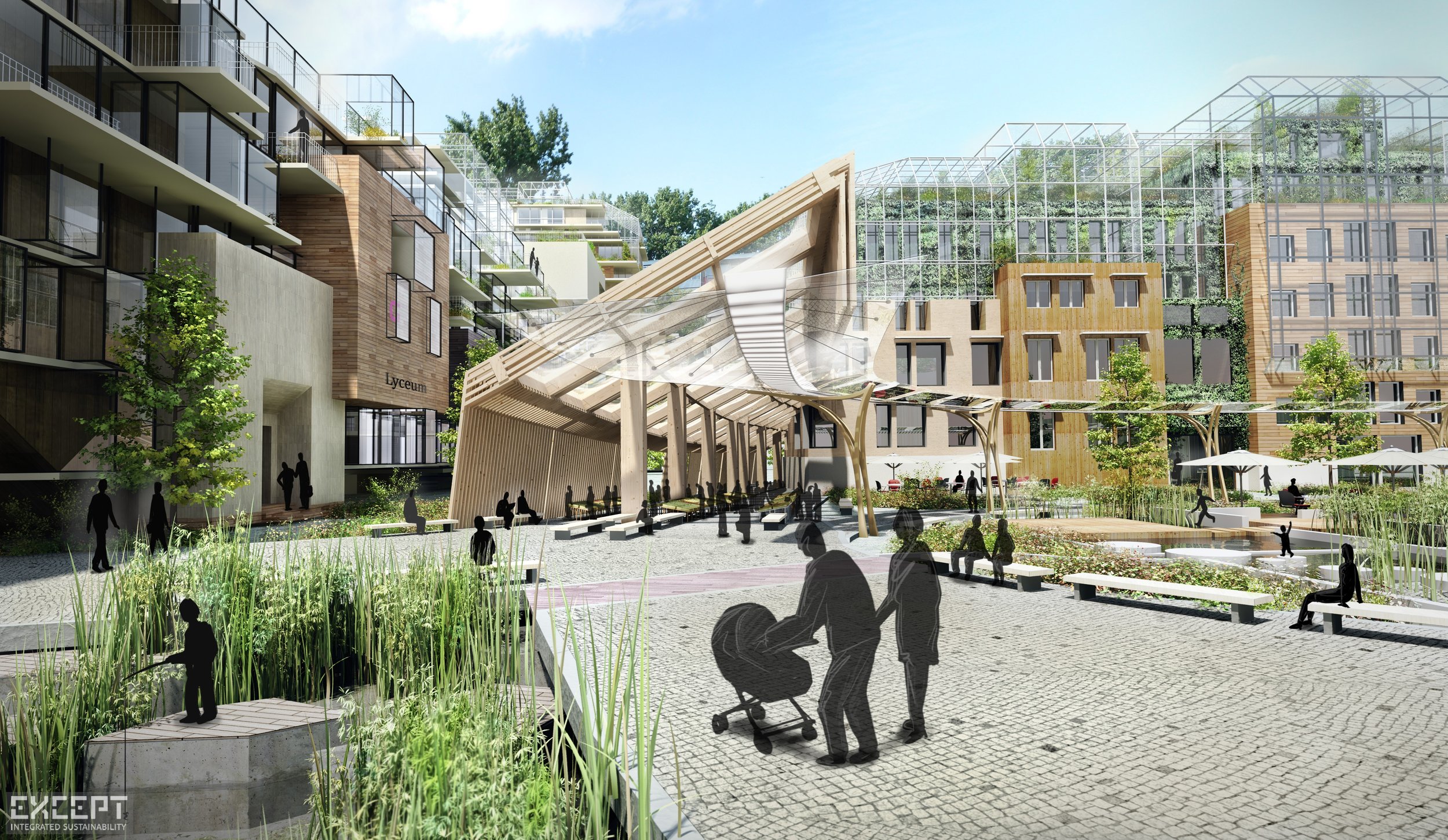
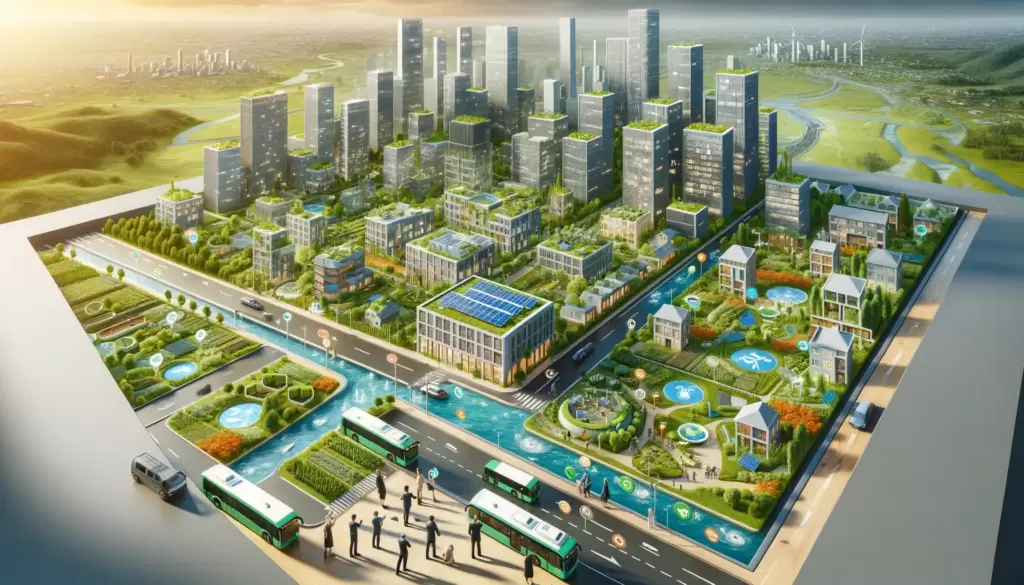
- Interconnected Green Space: Incorporating parks, gardens, and green roofs to reduce urban heat islands and promote biodiversity.
- Multi-Modal Transportation System: Encouraging the use of public transport, cycling, and walking to reduce reliance on private vehicles.
- Mixed-Use Development: Combining residential, commercial, and recreational spaces to foster community engagement and reduce transportation needs.
- Diverse Public and Private Partnerships: Collaborating with stakeholders to create inclusive, equitable, and sustainable communities.
Benefits of Sustainable Urban Planning
The benefits of sustainable urban planning are numerous and far-reaching. Some of the most significant advantages include:
- Reduced greenhouse gas emissions and air pollution.
- Improved public health and well-being.
- Increased economic opportunities and competitiveness.
- Enhanced social cohesion and community engagement.
- Protection of natural resources and biodiversity.
Case Study: Vauban, Germany
Vauban, a district in Freiburg, Germany, is a prime example of sustainable urban planning in action. This car-free neighborhood features:
- An extensive network of green spaces and parks.
- Extensive public transportation options, including buses and trains.
- Mixed-use development, with a focus on residential and commercial spaces.
- A robust community engagement and participatory planning process.
As a result, Vauban has become a model for sustainable urban planning, with a strong focus on environmental sustainability, social equity, and economic viability.
Challenges and Opportunities of Sustainable Urban Planning
While sustainable urban planning offers numerous benefits, it also poses several challenges, including:
Moving forward, it's essential to keep these visual contexts in mind when discussing Sustainable Urban Planning.
- High upfront costs and initial investments.
- Resistance from residents and stakeholders to change.
- Limited resources and infrastructure.
However, these challenges also present opportunities for innovation and creativity, such as:
- Public-private partnerships and collaborations.
- Innovative financing mechanisms and green bonds.
- Community-led initiatives and participatory planning processes.
Conclusion
Sustainable urban planning is a critical component of creating a better world for future generations. By prioritizing environmental sustainability, social equity, and economic viability, cities can become more livable, resilient, and sustainable. As we continue to urbanize and face the challenges of climate change, it's essential to adopt innovative strategies and best practices in sustainable urban planning.
Future Directions
The future of sustainable urban planning is bright, with ongoing research and innovation in areas such as:
- Green infrastructure and urban agriculture.
- Smart cities and intelligent transportation systems.
- Community-led initiatives and participatory planning processes.