Urban Real Estate and Sustainable Urban Planning: A Growing Concern in Modern Cities
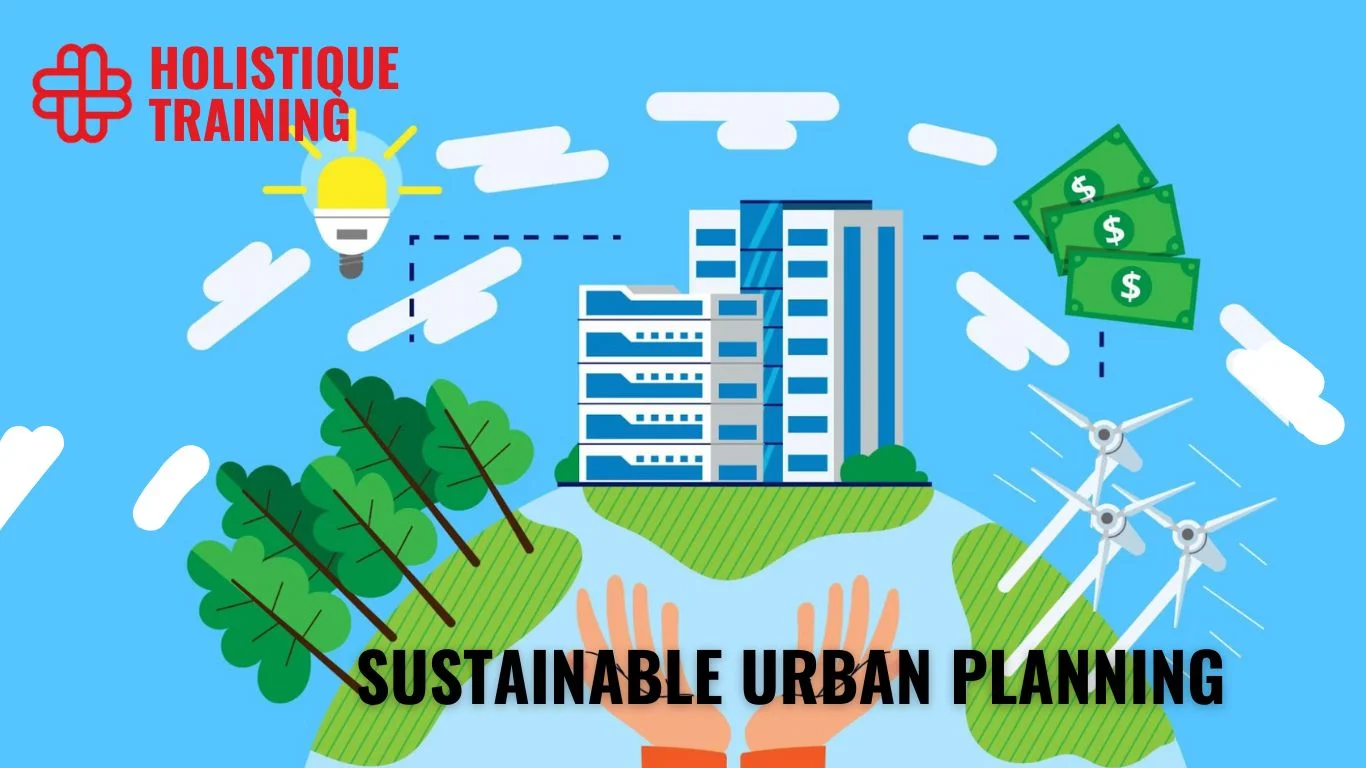
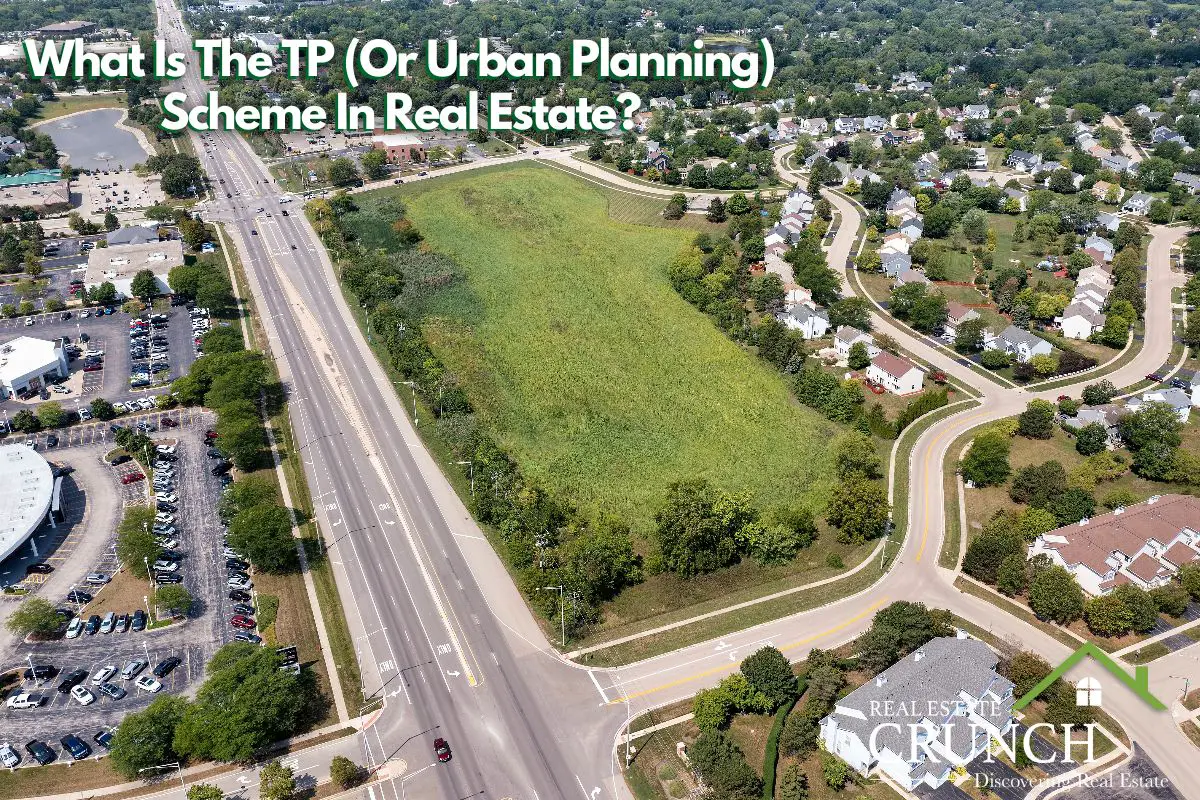
As the world's population continues to urbanize, the importance of sustainable urban planning in real estate development has become increasingly evident. Cities are growing rapidly, and the demand for housing, commercial spaces, and infrastructure is high. However, this growth comes with its own set of challenges, including environmental degradation, social injustice, and economic inequality. In this article, we will explore the concept of urban real estate and sustainable urban planning, discussing the need for a balance between economic growth and environmental sustainability.
The Importance of Sustainable Urban Planning
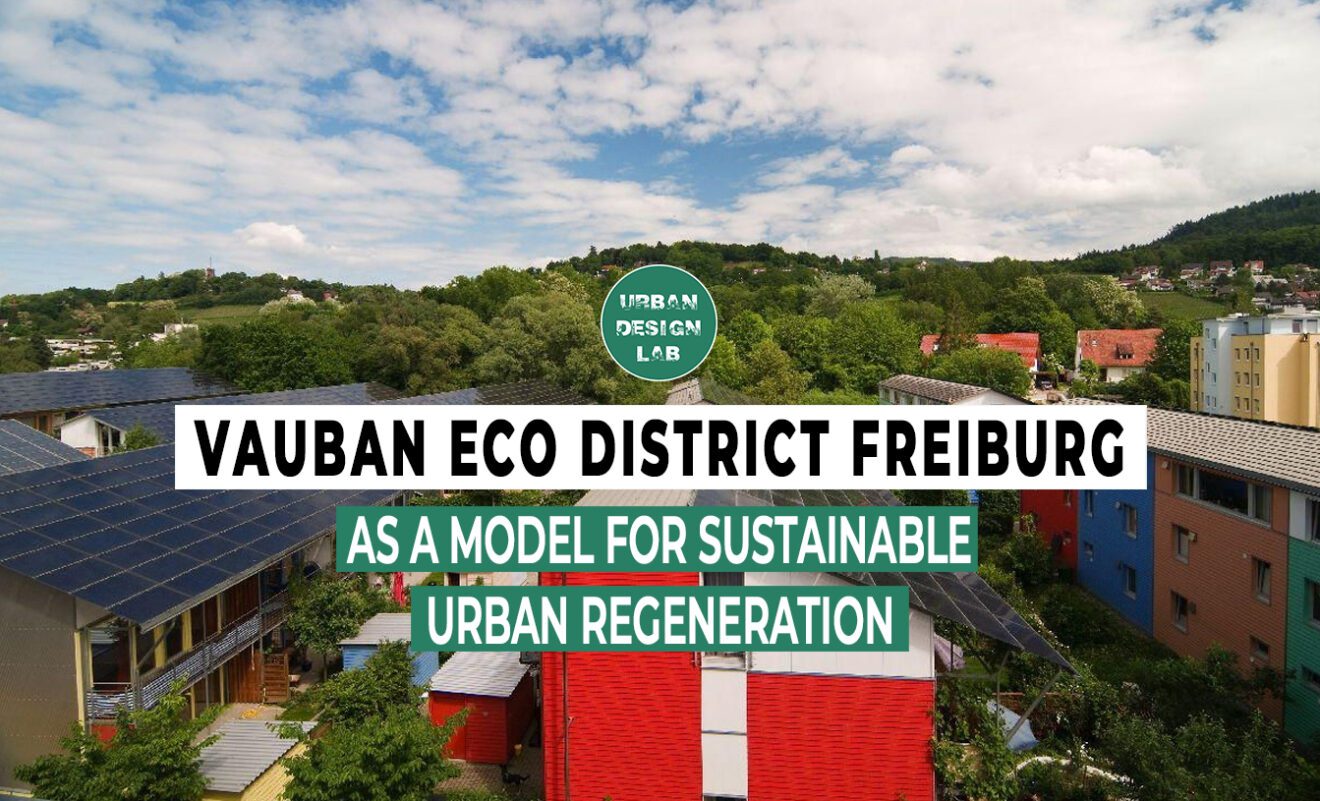
Sustainable urban planning is the practice of designing and managing cities to meet the needs of both present and future generations. This includes considerations for environmental protection, social equity, and economic development. When done correctly, sustainable urban planning can lead to a range of benefits, including reduced greenhouse gas emissions, improved air and water quality, and enhanced quality of life for residents.

Key Principles of Sustainable Urban Planning
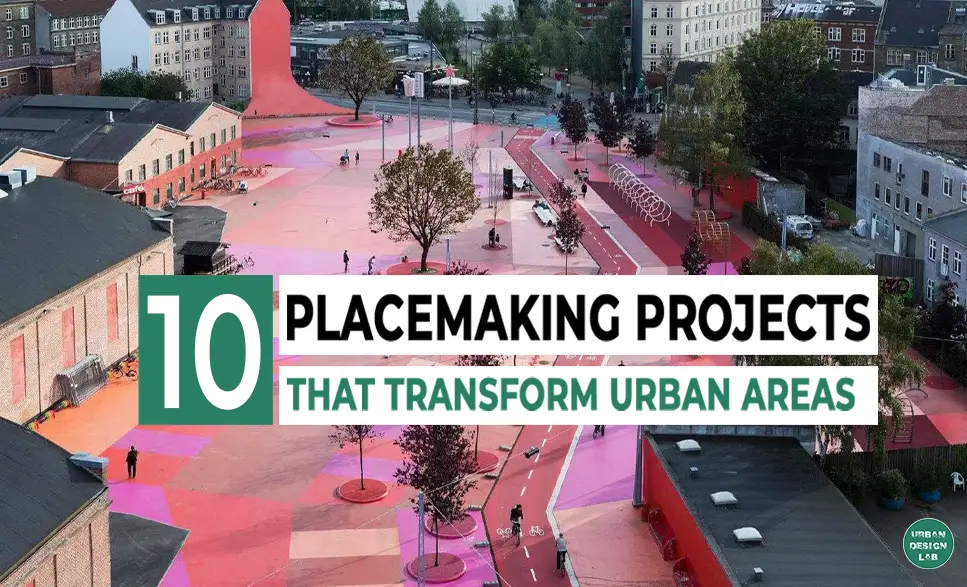
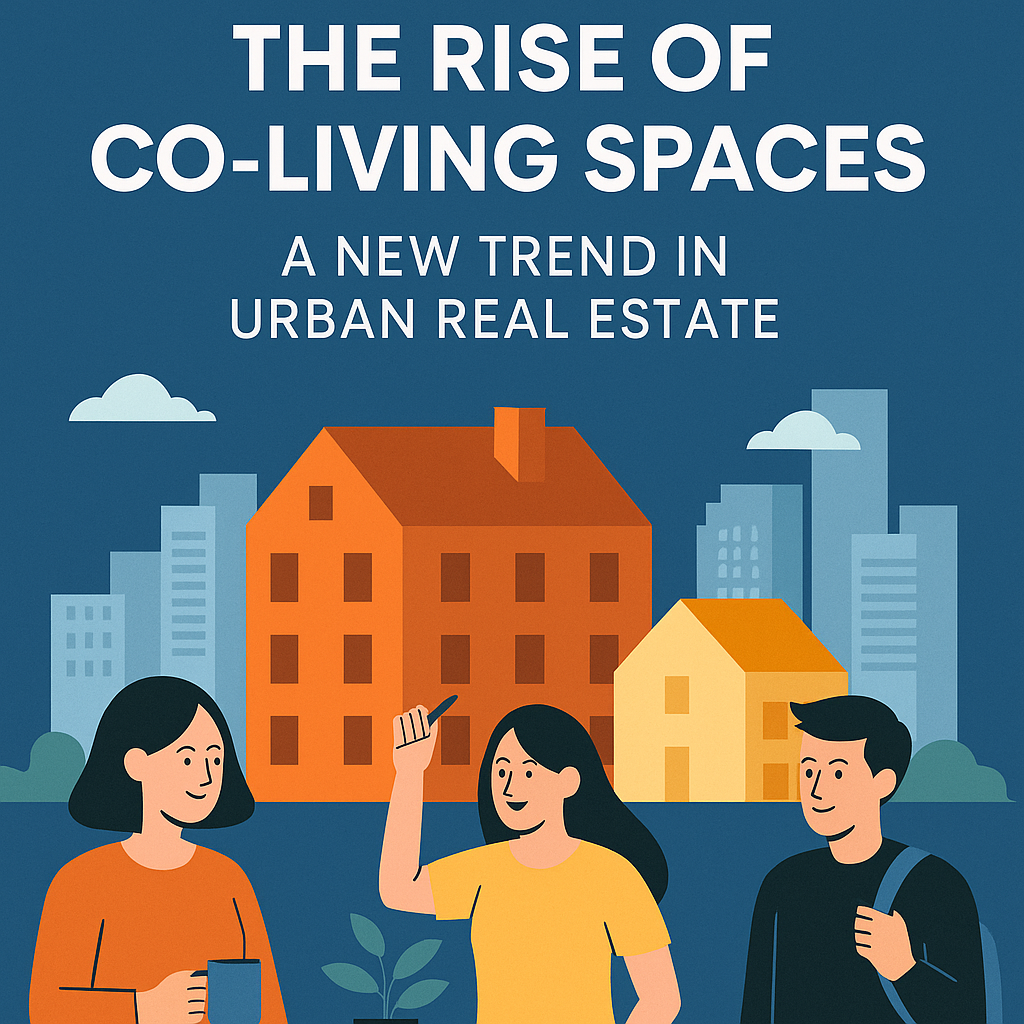
- Compact and connected communities: This principle focuses on creating dense, walkable, and bikeable neighborhoods that promote social interaction and reduce the need for lengthy commutes.
- Mixed-use development: This principle involves blending different land uses, such as residential, commercial, and recreational spaces, to create vibrant and diverse communities.
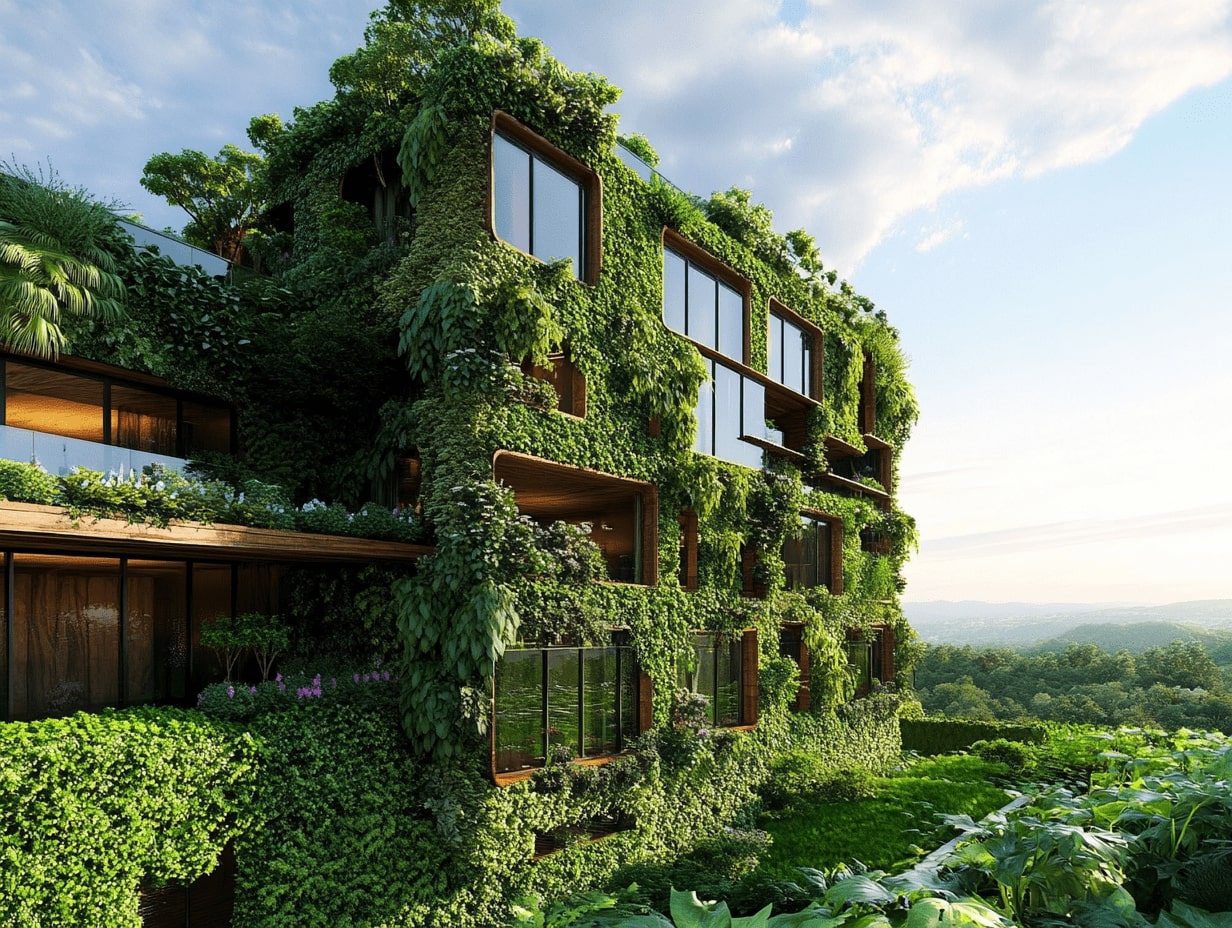
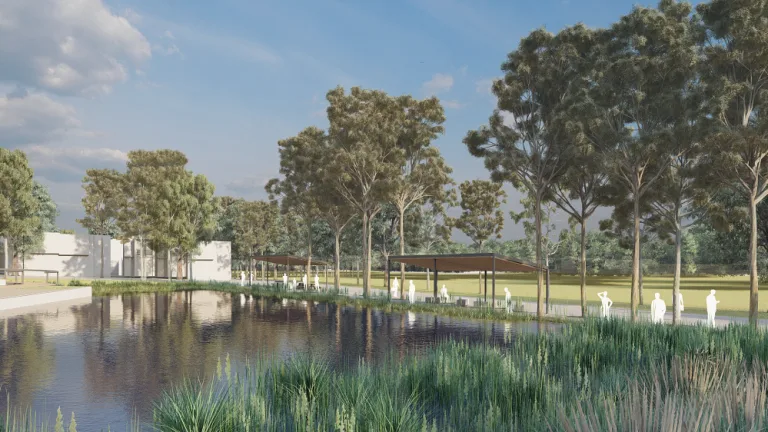
- Green spaces and parks: Green infrastructure, such as parks and green roofs, helps to mitigate the urban heat island effect, improve air quality, and provide habitats for wildlife.
- Public transportation and mobility: A reliable and efficient public transportation system is essential for reducing congestion, promoting economic activity, and enhancing quality of life.
Challenges in Urban Real Estate and Sustainable Urban Planning
While sustainable urban planning is essential for creating livable cities, it often faces significant challenges in the real estate market. Some of the key obstacles include:
- Displacement of low-income residents**: The gentrification of neighborhoods can lead to increased housing costs and displacement of long-time residents, exacerbating social inequality.
- Environmental degradation**: The development of new infrastructure, such as roads and buildings, can lead to environmental degradation, including air and water pollution.
- Infrastructure costs**: The construction of new infrastructure, such as public transportation systems and green spaces, can be costly and strain local budgets.
Best Practices for Sustainable Urban Planning

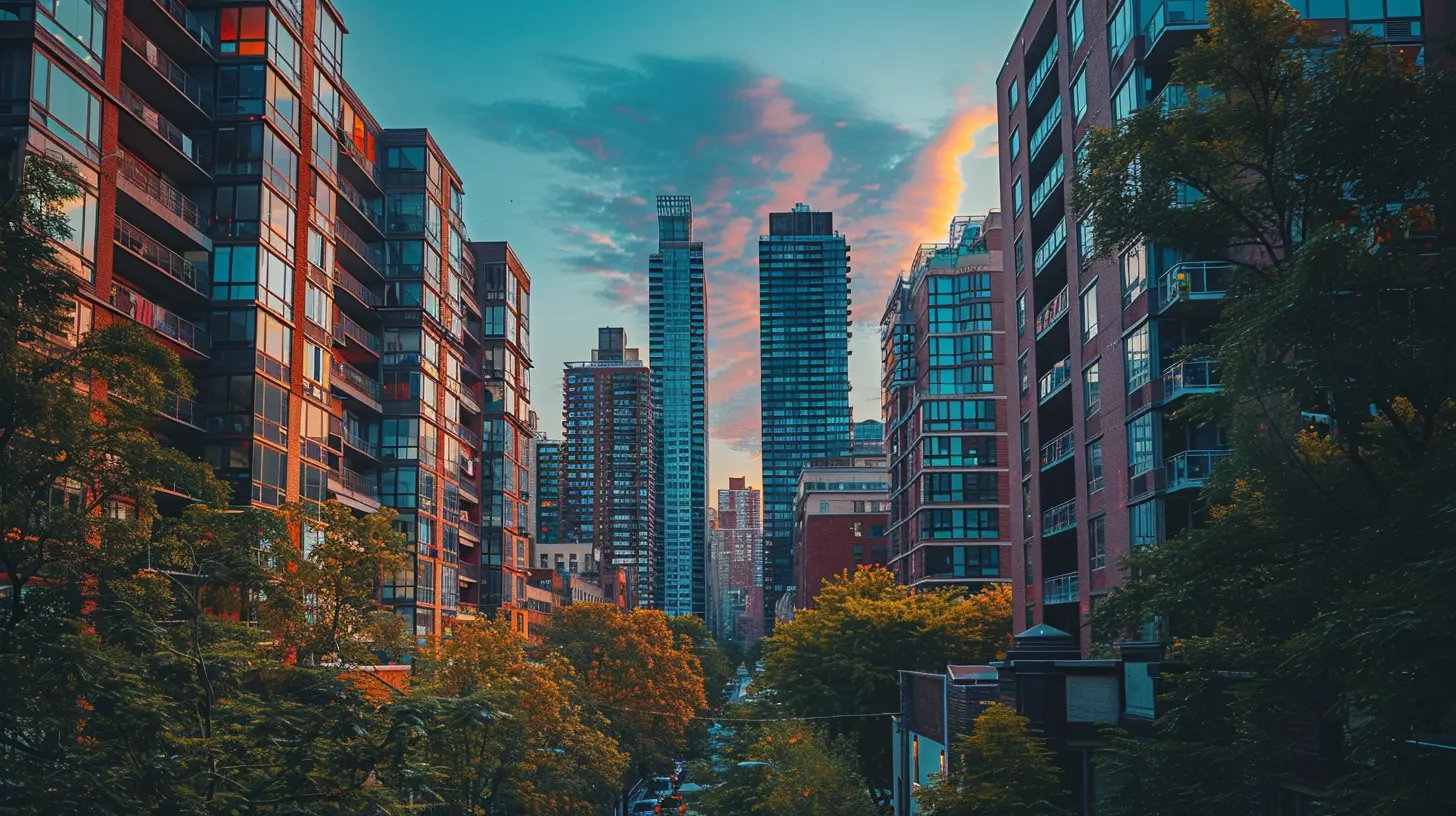
As we can see from the illustration, Urban Real Estate And Sustainable Urban Planning has many fascinating aspects to explore.
To overcome these challenges, urban planners and developers can adopt several best practices, including:
- Community engagement**: Engaging with local residents and stakeholders helps to ensure that development plans are responsive to community needs and concerns.
- Collaboration and partnerships**: Collaboration with other government agencies, non-profit organizations, and private sector entities can help to leverage resources and expertise.
- Innovative financing**: Exploring alternative financing mechanisms, such as public-private partnerships and green bonds, can help to offset the costs of sustainable development.
Urban real estate and sustainable urban planning are critical components of creating livable cities for the future. By balancing economic growth with environmental sustainability, cities can promote social equity, reduce greenhouse gas emissions, and enhance quality of life for residents. Through the adoption of best practices, such as community engagement, collaboration, and innovative financing, urban planners and developers can overcome the challenges of sustainable urban planning and create thriving communities that benefit both people and the planet.