Sustainable Building Techniques: A Guide to Reducing Environmental Impact
The construction industry is one of the largest contributors to greenhouse gas emissions and environmental degradation worldwide. However, with the increasing awareness of the importance of sustainability, sustainable building techniques have become more mainstream. In this article, we will highlight the top sustainable building methods that can be used today, their benefits, and how they can be applied in various construction projects.
What is Sustainable Building?
Benefits of Sustainable Building Techniques

Sustainable building techniques offer numerous benefits, including:
- Reduction in greenhouse gas emissions and environmental degradation
- Conservation of natural resources and energy
- Improved indoor air quality and occupant health
- Enhanced durability and lifespan of buildings
- Increased property values and rental income
- Reduced maintenance and repair costs
Top Sustainable Building Techniques

Here are ten of the top sustainable building techniques that can be used today:
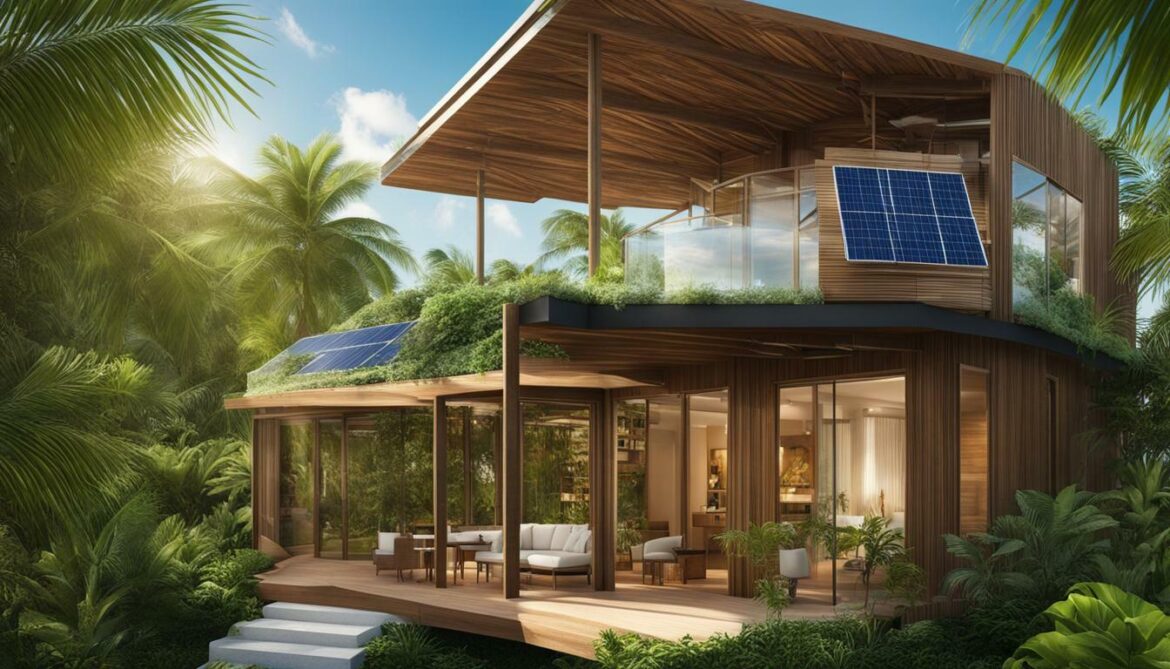
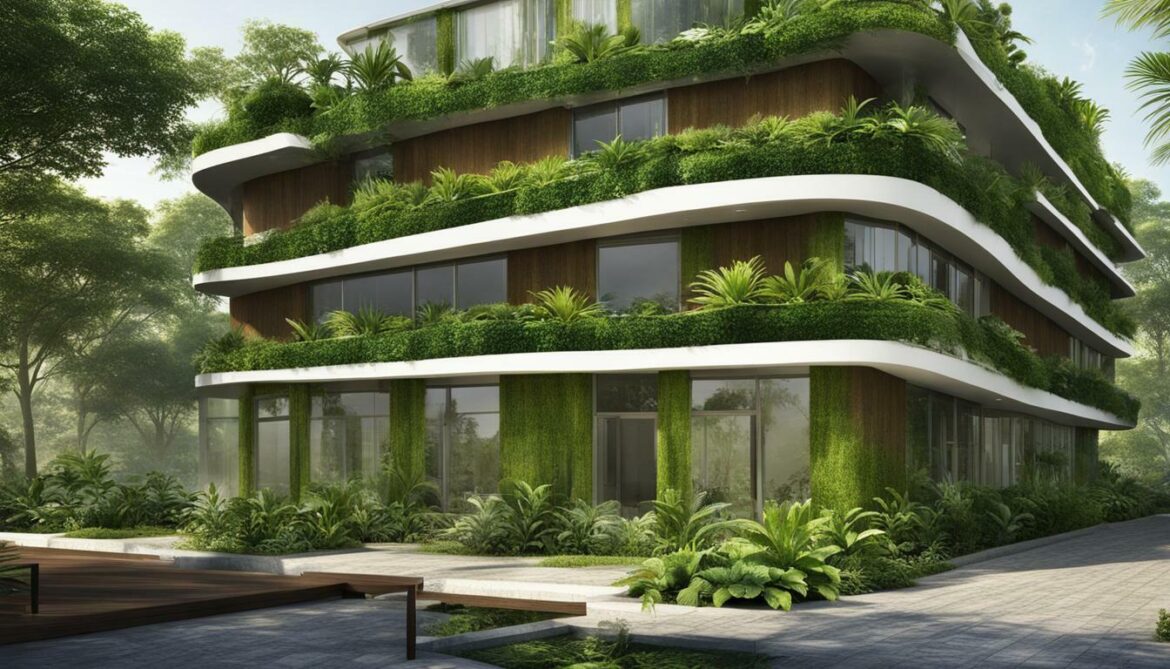
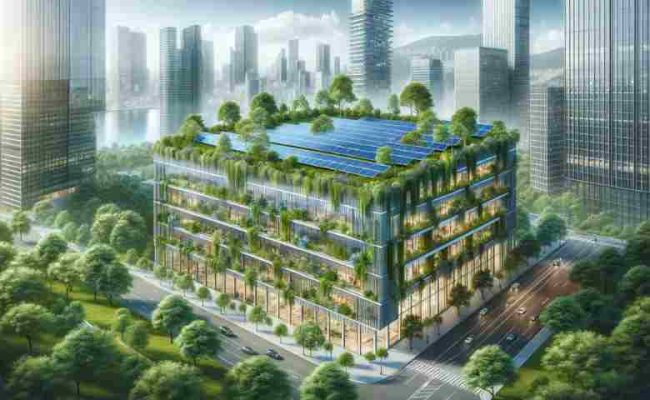
- Green Roofs: Green roofs are designed to enhance urban biodiversity and reduce stormwater runoff. They are built with a waterproofing membrane, growing medium, and vegetation, which can be used for insulation, aesthetic appeal, and habitat creation.
- Rainwater Harvesting: Rainwater harvesting systems collect and store rainwater for non-potable purposes, such as flushing toilets and irrigation. This reduces the demand on municipal water supplies and decreases stormwater runoff.
- Recycled Materials: The use of recycled materials in construction reduces waste, conserves natural resources, and decreases the environmental impact of building materials.
- Passive Solar Design: Passive solar design uses natural sunlight and insulation to reduce heating and cooling costs. This technique involves orienting buildings to maximize solar gain, using thermal mass materials, and implementing shading devices.
- Energy-Efficient Systems: Energy-efficient systems, such as LED lighting and high-efficiency HVAC systems, reduce energy consumption and greenhouse gas emissions.
- Low-Flow Fixtures: Low-flow fixtures, such as low-flow showerheads and toilets, reduce water consumption and decrease the demand on municipal water supplies.
- Solar Panels: Solar panels harness renewable energy from the sun, reducing reliance on fossil fuels and decreasing greenhouse gas emissions.
- Waste Reduction and Recycling: Waste reduction and recycling practices, such as reducing waste on-site and implementing recycling programs, minimize the environmental impact of construction projects.
- Native Vegetation and Landscaping: Native vegetation and landscaping practices promote biodiversity and ecological systems, reducing the need for irrigation and maintaining soil health.
- Insulation and Air Sealing: Insulation and air sealing techniques reduce heat loss and gain, decreasing energy consumption and greenhouse gas emissions.
Conclusion

Sustainable building techniques offer numerous benefits, including reduced environmental impact, energy efficiency, and cost savings. By incorporating these techniques into construction projects, we can create a more sustainable future and minimize the environmental footprint of the built environment. Whether you're a builder, architect, or homeowner, incorporating sustainable building techniques into your projects can make a significant difference in the long run.
Resources
- USGBC: The U.S. Green Building Council (USGBC) is a leading organization that promotes sustainable building practices and provides resources for green building professionals.
- Nichiha: Nichiha is a leading manufacturer of sustainable facade materials that promote long-term environmental responsibility.
- GBES Solutions: GBES Solutions provides comprehensive resources and training for professionals in the green building industry.